A swim bag is the one piece of kit a swimming parent repacks twice a week for years, and it is almost always packed wrong the first season. Too much of what does not matter, not enough of what does, and a wet bundle that goes back in the wardrobe still damp. This checklist is built from what a child genuinely needs for a training session at an Egyptian club, a school swimming lesson or a weekend on the North Coast - organised so you can pack it in four minutes without thinking.
What Goes in a Kids' Swim Bag: The Four Categories
Everything worth packing falls into four groups. Pack by group rather than by memory and nothing gets forgotten, because you check four things instead of fourteen.
Swimwear and the Spare
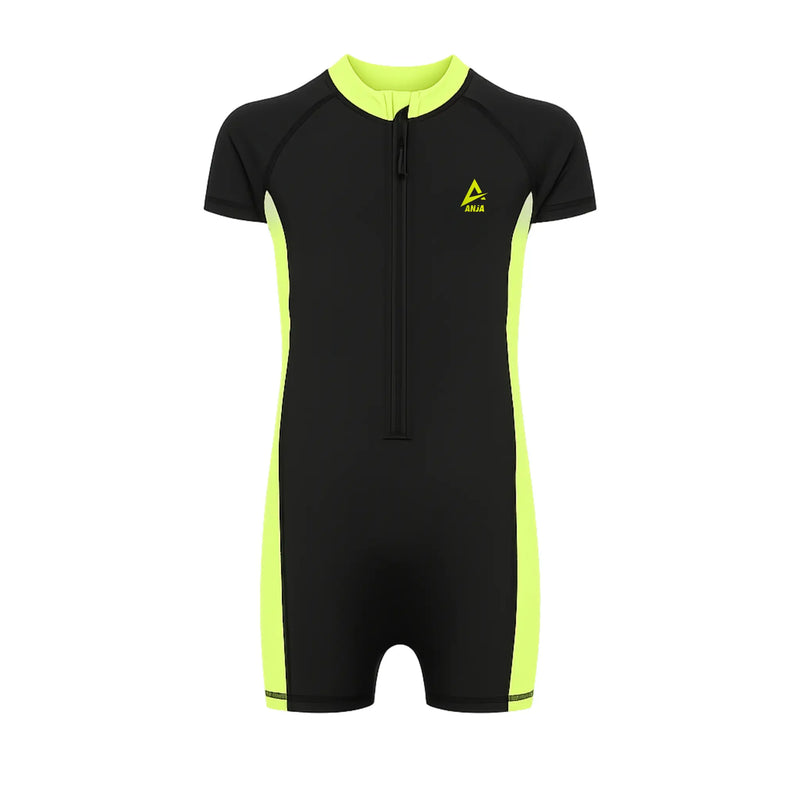
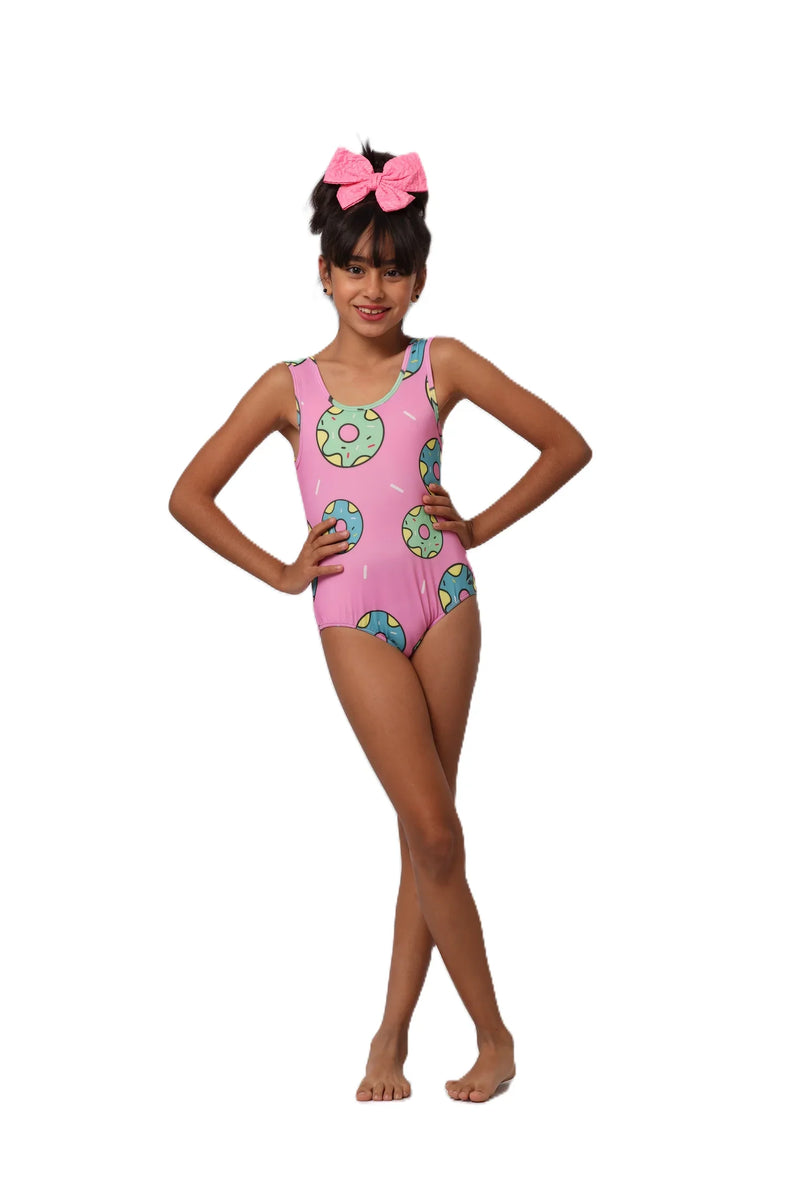
The swimsuit itself, plus a second one. The spare is the item parents skip and regret: chlorine-wet fabric does not dry between a Monday and Wednesday session, and pulling on a damp suit is both uncomfortable and the fastest way to wear out the elastane. Two suits in rotation last longer than one suit used twice as often.
For girls, a long sleeve one-piece swimsuit covers more skin for outdoor sessions, while a sleeveless cut moves better for pure training. Boys training regularly do better in a fitted one-piece swimsuit than in loose shorts, which drag in the water. The full range sits in kids swimwear if you are still choosing.
Drying and Changing
A towel, and ideally a hooded changing robe. The difference matters more than it sounds. A towel needs a hand to hold it closed, which a shivering eight-year-old does not have while also finding socks. A hooded swim robe stays on by itself, so a child can change underneath it on a poolside bench without a towel-drop moment. For boys, the boys' hooded changing coat does the same job.
Add a separate small towel for hair. One large towel doing both jobs is a large wet towel, and a wet towel wrapped around dry clothes makes everything in the bag damp.
Goggles, Cap and Ears
Goggles that fit, a spare strap if you have one, and a swim cap. Caps are not vanity: they cut drag, keep hair out of the face, and in most Egyptian club pools they are a condition of entry. Keep goggles in a hard case or a side pocket, never loose at the bottom of the bag where a water bottle lands on them.
After the Water
Dry underwear, a dry outer layer, flip-flops or pool slides, a water bottle, and a plastic bag for the wet items. The plastic bag is the single highest-value item on this list and costs nothing.
The Bag Itself: Why a Swim Bag Is Not a School Bag
A school backpack carries dry books and has a flat fabric base. A swim bag carries a wet swimsuit, a wet towel and a wet robe, and that water has to go somewhere. Used as a swim bag, a school backpack slowly soaks its own base, and the smell that follows is permanent.
A purpose-made bag like the ANJA Swimming Bag is built to be emptied and wiped out, with a shape that dries rather than holding water in a seam. For children carrying kit to more than one sport in a week, the Junior Pro Bag gives separate space so a wet swim section never touches dry training kit. Both sit in the kids sports bags range.
Swim Bag Contents by Session Type
Not every session needs the same bag. Packing a full club kit for a one-hour school lesson is how children lose goggles.
| Item | School Swimming Lesson | Club Training | Beach or Pool Day |
|---|---|---|---|
| Swimsuit | One | Two | Two |
| Goggles | Yes | Yes, plus spare | Optional |
| Swim cap | Usually required | Required | Not needed |
| Towel | One | One large, one hair | Two |
| Changing robe | Helpful | Yes | Yes |
| Pool slides | Yes | Yes | Yes |
| Water bottle | Yes | Yes, larger | Yes, larger |
| Wet bag | Yes | Yes | Yes |
| Snack | No | Yes | Yes |
| Sun protection | No | Outdoor pools only | Yes |
The Printable Swim Bag Checklist
Tape this inside a wardrobe door and let the child pack it themselves from about age seven. Children who pack their own bag stop losing goggles, because they know what they put in.
- Swimsuit
- Spare swimsuit
- Swim cap
- Goggles in a case
- Large towel
- Hair towel
- Hooded changing robe
- Dry underwear
- Dry outer layer
- Pool slides or flip-flops
- Plastic bag for wet kit
- Water bottle
- Small snack for sessions over an hour
- Hairbrush and a tie for long hair
Five Packing Mistakes That Cost a Session
Packing a Damp Suit from Last Time
It will not have dried inside a closed bag. This is the reason for the spare, and the reason the bag gets emptied the same evening rather than the next morning. Our guide on how to wash swimwear covers what chlorine actually does to the fabric if it sits.
Goggles Loose in the Main Compartment
A lens gets scratched by a zip or crushed under a bottle, and scratched goggles fog permanently. A case or a zipped side pocket solves it.
No Wet Bag
Without one, the wet suit shares space with dry clothes and the child goes home in damp underwear. One supermarket bag, kept permanently in the side pocket.
A Towel Instead of a Robe for Young Children
Under about age nine, changing poolside under a towel is a two-hand job a child does not manage alone. This is the single change that turns a stressful ten minutes into a calm three.
Sizing the Swimsuit for Growth
A swimsuit bought a size up does not grow into its job - it fills with water and drags. Buy the size that fits now. Our kids' swimwear guide explains how swim sizing differs from everyday clothing sizing.
Packing for Girls and Boys: What Actually Differs
Less than people assume. The bag contents are nearly identical; the differences are hair management and coverage preference. Long hair needs a brush, a tie and a cap that fits over it, which adds about two minutes to the after-session routine and is worth packing for. On coverage, some families prefer fuller cuts for outdoor sessions - the options are set out in the girls' swimsuits guide and, for fully covered swimwear, the kids' burkini guide.
Everything else - goggles, cap, robe, slides, wet bag - is the same list for both.
Keeping the Bag Usable Through a Season
Empty it the same day, every time. Not as a discipline point but because a closed bag with a wet towel in it grows mildew in Egyptian summer heat within about two days, and mildew in a bag seam does not wash out.
Once a month, turn the bag inside out where the design allows, rinse it with fresh water and let it dry fully in shade. Chlorine residue breaks down bag linings the same way it breaks down swimsuit elastane. The same monthly rinse applies to the suits themselves, and the swimwear collection is worth a look when the elastic on a favourite suit finally goes.
When to Replace Each Item in the Bag
Swim kit does not fail all at once. Each item has its own lifespan, and knowing them stops a child arriving at a session with goggles that fog from the first length or a suit that no longer holds its shape.
Goggles are the shortest-lived item in the bag. The anti-fog coating on the inside of the lens wears away through handling and chlorine exposure, usually within six to nine months of twice-weekly training. Once they mist over in the first few lengths and will not clear, the coating is gone and no amount of rinsing brings it back.
Swim caps give about a season of regular use before the silicone begins to split at the edge, and once a split starts it runs across the cap within a few sessions. Swimsuits kept in rotation hold their shape for roughly a full season - a suit that has gone slack at the seat or loose on the shoulder straps is finished as training kit even while the fabric still looks new. Changing robes and bags are the long-lived items, several seasons each, as long as both are dried properly rather than packed away damp.
Frequently Asked Questions
How many swimsuits does a child training twice a week need?
Two, in rotation. A suit worn twice a week without a full dry in between loses its elastane noticeably faster, and the child ends up in a stretched suit within a season rather than two.
Is a swim cap really necessary for a child?
For club training, usually yes - most Egyptian club pools require one. For school lessons and casual swimming it is optional, but it keeps hair out of the eyes and makes rinsing chlorine out afterwards much quicker.
What size swim bag works for a child?
Big enough for a rolled towel, a robe and a change of clothes, and no bigger. An oversized bag means items move around, get crushed and go missing. A dedicated kids' swim bag is sized for exactly this load.
Can a school backpack be used as a swim bag?
It can once or twice, but not as a routine. School bags are not built to be emptied of water and the base absorbs it, which leads to a persistent smell and eventually to damp books.
At what age can a child pack their own swim bag?
Around seven, with a checklist on the wardrobe door and a parent checking it for the first few weeks. Children who pack their own bag learn the contents far faster than children who are packed for.
Start with the Bag and Two Suits
If you are building a swim kit from nothing, the order that works is the bag first, two swimsuits second, a changing robe third. Everything else on this list is inexpensive and easy to add. Browse kids' swimwear and the sports bags range to put the first three in place.